

Child custody arrangements and child support orders depend on knowing who a child’s parents are. When parentage is in doubt, Canadian courts look for evidence that can withstand scrutiny. A home DNA test may satisfy personal curiosity, but it cannot always settle a legal dispute. For custody and child support cases in Canada, a legal DNA test follows a strict chain of custody and produces court-admissible results that judges and government bodies can rely on.
What Is a Legal DNA Test?
A legal DNA test is a DNA test that can be used in court or for government applications to prove a parent-child relationship. It is designed to meet evidentiary standards from the moment a sample is collected. Every step of the process is documented, from identity verification at the collection site to the handling of samples in the laboratory.
Legal testing is commonly required in Canada for matters that go beyond personal knowledge. Child support, custody, immigration, and inheritance cases can all depend on a legally valid DNA result. Because the outcome of these cases affects financial obligations and family relationships, the testing process must be beyond question.
Why Custody and Child Support Cases May Require a Legal DNA Test
In family law, a parent’s obligation to pay child support and a parent’s right to seek custody both flow from the legal recognition of parentage. If a mother names a man as the father and he disputes the claim, the court needs a reliable way to determine the biological relationship. That is where legal paternity testing comes in.
DNA paternity testing through blood samples yields results that indicate a probability of paternity greater than 99 percent. This high degree of accuracy helps courts make fair decisions about child support obligations and custody arrangements. Legal paternity tests are recognized as valid evidence in Canadian courtrooms, and their results can be used to establish or contest parentage.
Courts also take refusal seriously. When an alleged father refuses DNA testing, courts have the authority to compel compliance, ensuring that parental responsibilities are appropriately assigned. In other words, a DNA test in a custody or support case is not optional if the court decides it is necessary.
Understanding Chain of Custody
The chain of custody is what separates a legal DNA test from a curiosity test. It is the documented, unbroken trail that accounts for every person who handled the samples from the moment of collection to the final analysis.
In Canada, legal DNA testing cases require a proper chain of custody to be followed. Samples must be collected from an approved collection site, where participants show identification and the collector confirms who is being tested. This process makes the results valid in court for matters such as custody, immigration, or inheritance. Without a documented chain of custody, even a scientifically accurate result may be challenged or excluded from a proceeding.

Legal DNA Test vs. Home DNA Test
| Feature | Legal DNA Test | Home DNA Test |
|---|---|---|
| Sample collection | Approved collection site with identity verification | At home using a mailed kit |
| Chain of custody | Documented from collection to analysis | No formal documentation |
| Admissible in court | Yes, for custody, support, inheritance, and immigration | Not designed for court use |
| Best used for | Legal and government proceedings | Personal knowledge and curiosity |
How the Legal DNA Testing Process Works
For families preparing for a legal DNA test, the process is straightforward. Here are the steps that a court-admissible test typically involves:
- Choose a testing provider that offers legal DNA tests with documented chain of custody procedures.
- Schedule an appointment at an approved sample collection site. In Canada, legal samples cannot be collected at home; they must be taken at a supervised facility.
- Bring valid identification to the appointment. The collector verifies the identity of every participant and records the details.
- Biological samples are collected under supervision and sealed according to protocol.
- The sealed samples are sent to a laboratory accredited by the Standards Council of Canada (SCC) for analysis.
- The laboratory returns results with the documentation required to support their use in court or government proceedings.
Each step exists to give the court confidence in the answer. The result is a DNA test that can be submitted as evidence in a custody dispute, a child support hearing, or an application involving inheritance or immigration.

How Accurate Are Legal DNA Tests?
DNA testing is one of the most reliable scientific tools available to Canadian courts. For paternity, blood test results indicate a probability of paternity greater than 99 percent. When the same analysis is paired with chain of custody documentation, the evidence carries weight in legal proceedings. The science answers whether a biological relationship exists, and the chain of custody answers whether the court can trust how the samples were handled.
What a Legal DNA Test Costs in Canada
Cost is an important consideration for families already managing the stress of a legal dispute. In Canada, a legal paternity DNA test generally costs between $300 and $500. The price can depend on the provider, the number of people being tested, and the type of relationship being confirmed.
Many Canadian laboratories advertise all-inclusive pricing, meaning the quoted amount covers sample collection, laboratory analysis, and the legal documentation required. Before booking, ask which costs are included so the final bill does not come as a surprise.
What Happens If a Parent Refuses a DNA Test?
Refusal does not necessarily bring the matter to an end. Courts in Canada have the authority to compel an alleged father to provide a DNA sample when parentage is at issue. This power exists to protect the child’s interests and to ensure that parental responsibilities, including child support, can be assigned fairly. Anyone considering refusing a court-ordered test should understand that the court can require participation.
Choosing a Provider for a Legal DNA Test in Canada
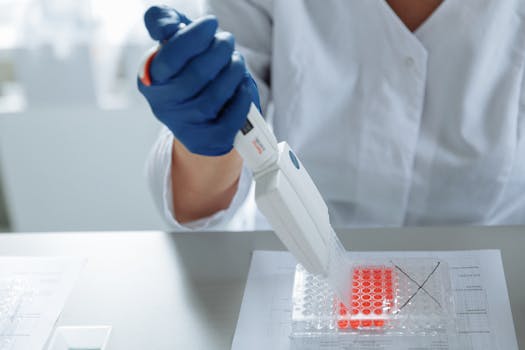
The provider you choose can determine whether your test results are accepted in court. For legal DNA testing in Canada, look for a laboratory that is accredited by the Standards Council of Canada (SCC). SCC accreditation signals that the laboratory meets recognized standards for quality and reliability.
Experienced Canadian providers, such as The DNALAB, have performed legal testing for many years and understand what documents courts and government offices expect. A provider that has operated since 1998, offers transparent pricing, and delivers results quickly can make an already difficult process easier. Legal DNA test results that follow strict chain of custody are accepted for legal proceedings across Canada, including child custody and inheritance cases.
Frequently Asked Questions
What is the difference between a legal DNA test and a home paternity test?
A home paternity test is collected in private and is fine for personal answers, but it does not follow a documented chain of custody. A legal DNA test must be collected at an approved facility with identity verification and sealed handling from start to finish. This is what makes the results admissible in Canadian court proceedings.
Can a judge order a DNA test in a custody or child support case?
Yes. When an alleged father refuses DNA testing, courts in Canada have the authority to compel compliance. The court can require a sample so that parental responsibilities, including child support, are assigned appropriately. A court-ordered legal DNA test follows the same chain of custody and produces the same court-admissible documentation as a test requested by a parent.
How accurate is a legal paternity test?
A legal paternity test that follows DNA testing protocols yields results indicating a probability of paternity greater than 99 percent. That accuracy, combined with strict chain of custody documentation, is why courts accept these results as reliable evidence in custody, support, and inheritance matters.
How much does a legal DNA test cost in Canada?
Legal paternity DNA tests in Canada generally cost between $300 and $500. The exact amount depends on the provider, the number of participants, and what the price includes. All-inclusive pricing from Canadian laboratories typically covers sample collection, analysis, and the paperwork needed to use the results in court.
Can a legal DNA test be used for immigration or inheritance cases?
Yes. A legal DNA test with a proper chain of custody is valid in court for matters such as custody, immigration, or inheritance. Results from laboratories accredited by the Standards Council of Canada are accepted for proceedings across Canada, including immigration applications with Citizenship and Immigration Canada.